This product is super old and you shouldn’t use it
Some data you just don’t want to believe. If you ignore its message, you’ll miss out on the real opportunity.
When I worked on the Zapier Platform, we had some really cool developer tools. There were plenty of new apps connecting their APIs, but most used our older version.
It turns out, they were trying to tell us something… it took a while for us to hear the message.
Before I joined, the team had created a command line interface (CLI). It allowed for better, deeper, more reliable integrations.
The product team interviewed power users, who had built the kind of apps we wanted to encourage.
They loved the CLI.
Everyone else, it seemed, did not. They chose the old version.
We tweaked what we promoted and how from the website and docs.
After several changes, the developer UI looked something like this:
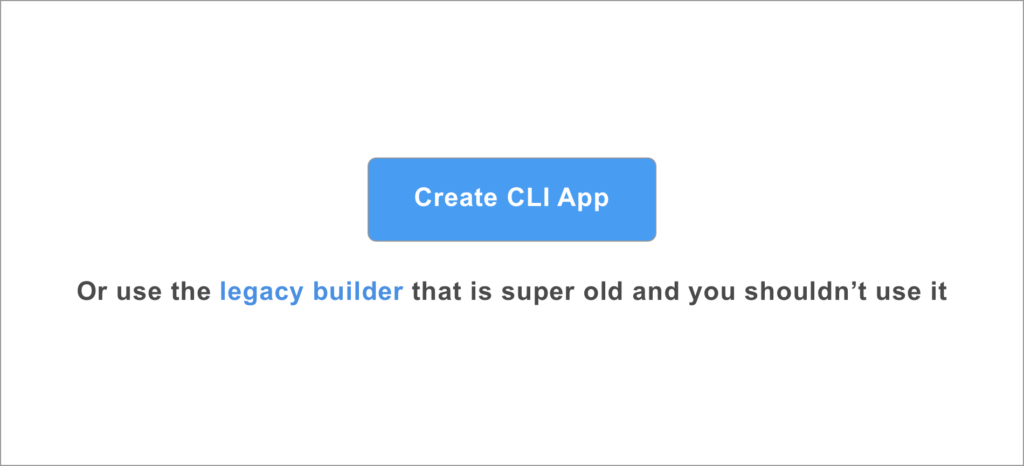
And yet…
More users clicked that little link than the big blue button. Significantly more.
The “developers,” many of whom did not write code for their jobs, did not want to build a better, deeper, more reliable integration. At least not at first.
After doing some more interviews, we started to hear feedback like:
“That CLI looks useful eventually, but right now I don’t want to write code.”
If we’d been looking at what they were saying through data, we could have drawn this conclusion earlier.
The same sort of blindness can happen when you’re too focused on vanity metrics like unique visits and page views instead of the signals of developer excitement.
This is especially true of technical content, where you can attract developers who haven’t found your product yet.
When they find you, you’ll have more success if your product is relevant… if it’s the thing they actually want.
Get your tool shortlisted
One short read a week you can use to better understand developers and the LLMs that drive their work.